Carpet Cleaning
 Upholstery Cleaning
 End Of Tenancy Cleaning
 Domestic Cleaning
 House Cleaning
 Office Cleaning


Wine and curry stain removal for Paddington carpets
Posted on 02/06/2026
Wine and curry stain removal for Paddington carpets: a practical local guide
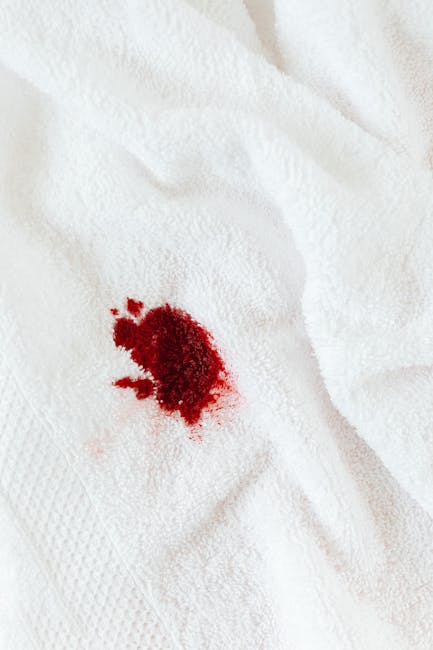
Spilled red wine at supper. A curry splash during a late Friday takeaway. It happens fast, and Paddington carpets usually take the hit before anyone has time to react. If you are dealing with wine and curry stain removal for Paddington carpets, the good news is that many stains can be improved a lot if you act calmly and use the right method.
This guide walks you through what makes these stains tricky, how to treat them safely, and when a professional clean is the smarter move. You will also find a step-by-step process, common mistakes to avoid, and a few local-minded tips for homes, rentals, and busy flats around Paddington. Let's face it, carpets in real homes live a proper life.
Why Wine and curry stain removal for Paddington carpets Matters
Wine and curry are two of the most stubborn everyday carpet stains. They are messy for different reasons, which is exactly why a one-size-fits-all approach often fails. Wine brings colour pigments and sugars. Curry often brings oils, turmeric, and spice stains that can cling to fibres and sometimes leave a yellow or orange tint behind. On a pale wool carpet, that can be especially noticeable. On a darker synthetic carpet, the stain may look smaller than it really is, which is a bit sneaky.
In Paddington, this matters because so many homes combine active living with compact rooms, shared spaces, and carpets that need to look presentable day after day. A stain near the sofa in a W2 flat, for example, does not just affect appearance. It can affect smell, resale presentation, rental inspections, and the general feel of the room. If you are in a rental, you might also want to be extra careful before an end-of-tenancy review; a small patch can turn into a deposit discussion pretty quickly.
There is also the simple reality that carpet fibres react differently. Wool, wool blends, polypropylene, nylon, and loop pile constructions all behave in slightly different ways. If you use the wrong cleaner, you can spread the stain, set it deeper, or create a faded patch that looks worse than the original mark. That is why careful stain handling is not overkill. It is sensible.
For broader carpet care guidance in the area, it can help to read the main Paddington carpet cleaning service page and the wider services overview so you can see how spot treatment fits into a full-clean approach.
How Wine and curry stain removal for Paddington carpets Works
Good stain removal is less about scrubbing hard and more about understanding the stain chemistry. Wine is usually a blend of water, colour compounds, tannins, and sugar. Curry is more complex: it often includes oil, turmeric, tomato, onion, and spice residues. Because of that, the removal method usually needs to tackle both the visible stain and the residue sitting lower in the pile.
The basic process is straightforward, though the details matter:
- Lift excess material first. You remove solids or blot liquids before anything else.
- Treat the stain type properly. Water-based marks and oil-based marks need different handling.
- Work from the outside in. This helps stop the stain from spreading.
- Use controlled moisture. Too much water can push the stain deeper into the backing.
- Rinse and extract. Leaving cleaning residue behind can attract dirt later.
That last point is often missed. People think the stain has gone because the carpet looks better when damp, then by the next day a halo appears. Truth be told, that halo is one of the most common "why is it back?" complaints.
Professional carpet cleaners use extraction, spot-spotting agents, fibre-safe pre-treatments, and rinse control to reduce the risk of reappearance. If the stain has already been rubbed in, heated, or treated with the wrong product, they may need to repeat stages or apply a targeted stain-removal solution.
If the spill is on a rug rather than wall-to-wall carpet, the same principles apply, but construction and dye stability matter even more. That is where rug restoration and dye bleed fixes can be relevant, especially for delicate or decorative pieces.
Key Benefits and Practical Advantages
Doing wine and curry stain removal properly brings more than a cleaner-looking floor. It protects the carpet's life and your peace of mind. A few real benefits stand out.
- Better chance of full stain reduction. Fast action prevents the stain from settling deep into the fibres.
- Less fibre damage. Gentler methods preserve pile texture and colour.
- Reduced odour. Curry stains can carry smell, especially if they sit overnight.
- Improved appearance for tenants and homeowners. Helpful before guests, viewings, or inspections.
- Lower risk of permanent patch marks. Overwetting and harsh chemicals can cause their own issues.
There is also a practical benefit that gets overlooked: confidence. If you know what to do in the first ten minutes, you are much less likely to panic and make the stain worse. That can save time, stress, and, depending on the situation, a call-out fee.
For households that host often, especially in social neighbourhoods, keeping a plan for quick treatment is just common sense. If you want a broader local perspective on busy homes, entertaining, and day-to-day living around the area, the blog post on great party locations in Paddington gives a sense of why spill-prone spaces are part of normal life here.
Who This Is For and When It Makes Sense
This topic is relevant to anyone with carpeted rooms and real-life habits. So, basically most people. But some readers benefit more than others.
- Homeowners who want to keep lounge or dining room carpets presentable.
- Tenants who need to limit deductions at the end of a tenancy.
- Landlords and letting agents who want carpets cleaned before new occupants move in.
- Families dealing with accidental spills in busy shared spaces.
- Office managers where carpets near break areas or meeting rooms have seen one too many lunch mishaps.
It makes sense to try a careful first response if the stain is fresh, the carpet is a common fibre type, and the mark is small enough to test safely. It makes less sense to keep experimenting if the stain has been there a long time, the carpet is valuable, or the fibre is delicate. A wool rug, a patterned runner, or a fitted carpet with dye sensitivity deserves more caution.
If the issue is part of a wider clean-up, such as a post-party reset or pre-move work, you may also find it helpful to look at end of tenancy cleaning in Paddington or domestic cleaning support so the stain removal fits into the rest of the job.
Step-by-Step Guidance
Here is the practical process I would follow for a fresh stain. It is not glamorous, but it works a lot better than panic and kitchen roll in a hurry.
- Act quickly, but do not rush into rubbing. Blot gently with a clean white cloth or paper towel. Press down and lift. Press and lift.
- Remove solids first. If curry contains bits of food, pick them up carefully with a spoon or dull edge. Do not grind them in.
- Test your cleaner. Use a tiny hidden spot first, especially on wool or dyed carpets. Wait to see if colour transfers or fibres distort.
- Apply a small amount of suitable solution. For wine, a mild carpet-safe stain remover or diluted cleaning solution may help. For curry, a degreasing carpet-safe treatment is often more suitable because oils are involved.
- Blot again. Work from the outer edge of the stain toward the centre. Keep your cloth clean by folding it to a fresh section often.
- Rinse lightly. Use a very small amount of clean water to lift leftover cleaner. Too much water is not your friend here.
- Dry properly. Blot dry, then leave airflow around the area. A fan or open window helps.
- Repeat if needed. For tougher stains, a second careful pass may be enough. If the carpet starts looking lighter in one spot, stop.
For an old or stubborn stain, the process changes slightly. You may need a specialist pre-spray, targeted spot treatment, and hot-water extraction or another suitable professional method. That is particularly useful for curry stains that have been walked into the pile or wine stains that have already oxidised and darkened.
And yes, sometimes the stain looks worse before it looks better. Annoying, but normal.
Expert Tips for Better Results
After dealing with enough real-world spills, certain patterns show up again and again. These are the tips that genuinely help.
- Always blot with white materials. Coloured cloths can transfer dye onto the carpet.
- Work on the stain before it dries. Fresh stains are significantly easier to lift.
- Do not mix cleaning products. Some combinations can neutralise each other, while others may cause unwanted residue or fumes.
- Use the gentlest effective solution first. You can always increase cleaning strength, but you cannot easily undo fibre damage.
- Watch for wick-back. A stain can rise again from the backing as the carpet dries. Proper extraction helps reduce this.
- Protect surrounding fibres. Place towels around the spot if the stain is liquid and spreading.
One more thing: curry stains often need patience. The yellow tone from turmeric can linger even after the food itself is gone. That does not automatically mean failure. Sometimes it is just the pigment holding on in the pile like it pays rent there.
If you are unsure whether the carpet is suitable for wet treatment, it is wise to speak to a reputable cleaner with clear policies around safety and care. You can also review the company's insurance and safety information and health and safety policy for added reassurance.

Common Mistakes to Avoid
The biggest mistake is usually the most human one: doing too much, too soon. People mean well, but carpets are not always forgiving.
- Rubbing hard. This pushes the stain deeper and damages the pile.
- Using boiling water. Heat can set some stains, especially protein or colour-based residues.
- Overwetting the area. Too much moisture can spread the stain and slow drying.
- Using bleach or harsh household chemicals. These can strip colour or damage fibres.
- Skipping a patch test. This is how clean-up jobs become repair jobs.
- Ignoring the smell. Wine and curry may leave odour even if the mark looks lighter.
Another common slip is treating every stain the same way. Curry and wine behave differently, so one cleaner may help one and not the other. If a stain remains after a careful attempt, repeated random treatment usually makes things messier. At that point, you are better off pausing and reassessing than going in for "one more go".
Tools, Resources and Recommendations
You do not need a cupboard full of specialist products to deal with a fresh spill. A small, sensible kit is often enough for immediate action.
- White absorbent cloths or plain paper towels
- A spoon or dull scraper for solids
- A carpet-safe stain remover suitable for the fibre type
- Clean lukewarm water in a small bowl or spray bottle
- A soft-bristled brush for very light agitation, used carefully
- Dry towels for final blotting
If you keep a stain kit at home, store it somewhere easy to reach, not buried behind old batteries and half-finished candles. A quick response is easier when the tools are already there.
For readers comparing professional support options, the pricing and quotes page is a useful next step, and the customer reviews page can help you judge reliability and service style. If you are looking for offers, the latest promotions may be worth a look too.
Law, Compliance, Standards, or Best Practice
For a stain-removal topic like this, the most relevant compliance angle is not a dramatic legal rule but the everyday best practice around safety, care, and fair treatment of property. In rented homes, tenants are generally expected to look after carpets reasonably and avoid unnecessary damage, while landlords are expected to maintain clean, habitable interiors and handle wear-and-tear fairly. Exact outcomes depend on the tenancy agreement and the condition of the carpet before the stain occurred.
From a cleaning best-practice point of view, the important standards are practical ones:
- Use suitable methods for the fibre type.
- Test before treating.
- Avoid creating slip hazards. Wet carpets need managed drying.
- Store and use cleaning products safely.
- Keep good records if a landlord, agent, or tenant needs evidence of care.
For commercial or shared properties, a clear cleaning process also helps with tenant turnover, inspections, and general duty of care. If you manage a rental near the canal or a busy block in W2, it can be handy to follow a documented routine like the one in the Paddington Basin landlords' carpet cleaning checklist.
Nothing fancy here, just solid housekeeping. Which, to be fair, is often what saves the day.
Options, Methods, or Comparison Table
Different stains and different carpet types call for different levels of intervention. Here is a simple comparison to help you decide whether DIY treatment or professional cleaning is the better route.
| Method | Best for | Strengths | Limitations |
|---|---|---|---|
| Immediate blotting and mild spot treatment | Fresh wine or curry spills on sturdy carpets | Fast, low-cost, often effective when done early | May not fully remove set-in pigment or oil |
| Targeted stain removal by a professional | Older stains, delicate fibres, lingering marks | Better control, fibre-aware treatment, less risk of damage | Costs more than DIY and needs a booking |
| Full carpet cleaning with extraction | Multiple stains, general dullness, post-event refresh | Improves appearance across the room, removes residue | Not always necessary for a single small spill |
| Dry cleaning or low-moisture method | Moisture-sensitive carpets or quick turnarounds | Reduced drying time, useful in some settings | May be less effective on deep wine or oily curry residue |
There is no single winner. A fresh spill on a synthetic carpet may be fine with careful DIY treatment. A stained wool runner in a busy Paddington flat? That is a different story. If in doubt, it is usually safer to ask for specialist guidance before you start experimenting.
Case Study or Real-World Example
Picture a typical evening in a Paddington flat: a small dinner for friends, a bottle of red opened too early, a curry takeaway on the side, and one too many people moving around the coffee table. By the end of the night, there is a wine splash near the sofa and a yellowish curry mark by the dining chair. Not dramatic, just annoying. The kind of thing you notice the moment the lights come on the next morning.
In a situation like that, the best results usually come from separating the treatment by stain type rather than using one blanket cleaner. The wine spot needs immediate blotting and a stain-safe solution. The curry mark needs careful lifting of any solids, then a treatment that can address oily residue and turmeric pigment. If the carpet is medium-pile synthetic, there is a decent chance of strong improvement with prompt action. If it is wool, patience and fibre safety become more important than speed.
What tends to work best is not heroics. It is a calm sequence: blot, test, treat, rinse, dry, reassess. If the stain has been walked over or left until the next day, a professional carpet clean becomes more attractive because the residue will already have migrated deeper into the pile. That is especially common in family homes where mornings are busy and nobody feels like dealing with the mess at 8 a.m.
For people in local flats or managed buildings, it can also help to think about the stain in context. If you are already scheduling a clean after a party or move, combining stain removal with a broader carpet refresh is often more efficient than treating one tiny patch in isolation. That's the sort of practical decision that saves time later.
Practical Checklist
Use this quick checklist when wine or curry lands on the carpet. It is simple on purpose.
- Act immediately, or as soon as you notice the spill.
- Blot, do not rub.
- Remove food solids carefully.
- Test any product in a hidden area first.
- Use the right type of cleaner for the stain.
- Keep moisture controlled.
- Rinse lightly to avoid residue.
- Dry the area thoroughly.
- Check for a reappearing stain once dry.
- Call a professional if the stain is set, large, or on a delicate carpet.
Quick summary: fresh stains are much easier to manage than old ones, curry usually needs more attention to oil and pigment, and the safest result usually comes from gentle, fibre-aware treatment rather than aggressive scrubbing.
For a fuller picture of the company behind this guidance, you can also browse the about us page and the W2 flat carpet care guide for Sheldon Square if you are managing a busy apartment in the area. The local context really does matter.
Conclusion
Wine and curry stain removal for Paddington carpets is not just about making a mark disappear. It is about protecting the carpet's fibres, preventing residue from settling in, and keeping your home looking clean and comfortable without creating extra problems along the way. The right response depends on the stain, the carpet, and how much time has passed, but the core rule stays the same: act early, stay gentle, and do not overdo it.
If the spill is fresh, a careful DIY approach may be enough. If the stain is stubborn, old, or on a delicate carpet, professional help is often the calmer choice. Either way, a tidy carpet has a way of making a room feel lighter and more settled. Small thing, maybe. But you notice it.
Get a free quote today and see how much you can save.