Carpet Cleaning
 Upholstery Cleaning
 End Of Tenancy Cleaning
 Domestic Cleaning
 House Cleaning
 Office Cleaning


Emergency mould removal for Paddington flat leaks
Posted on 06/05/2026
A leak in a Paddington flat can go from annoying to messy very quickly. One damp patch on a ceiling, a musty smell in the hallway, or black spotting behind a wardrobe can be the start of a much bigger mould problem. If you are dealing with Emergency mould removal for Paddington flat leaks, the first hours matter. Not just for the building, but for your health, your belongings, and frankly your peace of mind.
This guide explains what to do straight away, how emergency mould removal works, what a good service should include, and how to avoid the mistakes that make a leak worse. Whether you rent, own, manage a flat, or are dealing with an end-of-tenancy issue, you will find practical steps here that are grounded in real-world property care. Paddington flats are often compact, busy, and shared-wall heavy, so moisture problems can spread fast if they are left alone. Nobody wants that damp, stale smell hanging around for weeks.
To help you decide what to do next, I have also included a checklist, a comparison table, and answers to common questions people ask when water has already reached the walls, floors, or soft furnishings. A lot of the worry disappears once you know the sequence. Not all of it, of course, but enough.
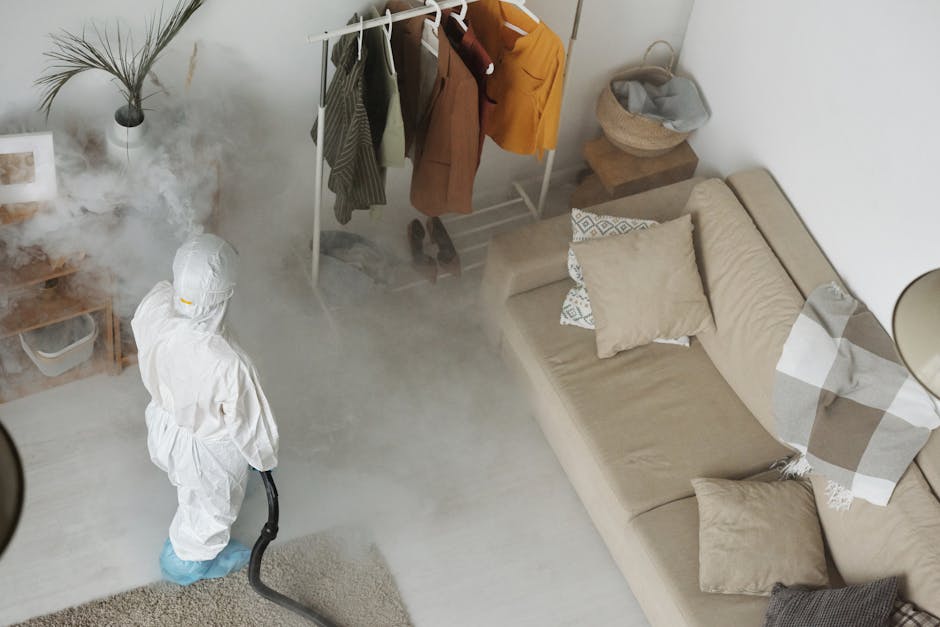
Why Emergency mould removal for Paddington flat leaks Matters
Mould does not appear because a room is "a bit damp". It grows because moisture has stayed long enough for spores already present in the air to settle and feed on materials like plasterboard, wood, fabric, carpet underlay, dust, and wallpaper paste. In a flat, the risk is sharper because rooms are smaller, ventilation can be limited, and a leak may travel through ceilings or walls before you even spot the source.
That is why emergency response matters. If water from a burst pipe, bathroom overflow, roof leak, or neighbour's plumbing issue reaches hidden areas, mould can begin forming in as little as a day or two on porous materials. Sometimes you will only notice a faint earthy smell first. Other times, you may see visible growth around skirting boards, window reveals, or a ceiling stain that has started to darken. It can feel oddly sudden. One minute it is a dripping sound, the next it is a stain that just keeps growing.
In Paddington, this often becomes a practical issue as much as a cleaning issue. Flats near busy roads, older conversions, and managed rental homes can have mixed ventilation quality and more complicated leak routes. If the water intrusion is not stopped and the affected area dried properly, surface cleaning alone will not solve it. The mould returns. That is the frustrating part.
There is also the health side. Mould may aggravate asthma, allergies, and respiratory irritation for some people, especially children, older adults, and anyone with existing sensitivity. While not every mould patch is an emergency in the strictest sense, a leak-driven mould outbreak should be treated with urgency. To be fair, waiting and hoping it dries itself is one of the worst bets you can make.
If you are preparing a flat for tenants or dealing with a turnover, it can also affect presentation and trust. Related property care concerns often overlap, which is why homeowners and landlords sometimes look at broader services like domestic cleaning in Paddington, end of tenancy cleaning, or even guidance from the Paddington Basin landlords carpet cleaning checklist when the property needs a broader reset after damage.
How Emergency mould removal for Paddington flat leaks Works
Good emergency mould removal is not just a quick scrub. It is a sequence: identify the water source, assess the spread, contain the area, remove mould safely, dry the structure, and confirm that the conditions are no longer suitable for growth. Skip a step and the problem can quietly come back.
In a typical Paddington flat leak, the process starts with inspection. A technician will look at visible staining, peeling paint, soft or warped materials, and any signs that the leak has travelled into concealed spaces. If necessary, they may advise a plumber or building maintenance contact first, because mould removal without leak repair is only half a job.
Next comes containment. That may involve isolating the affected room, protecting nearby items, and preventing spores or dust from being spread through the flat. For smaller jobs, this can be done with careful localised work. For larger outbreaks, more controlled methods are needed. That is especially true if mould has affected carpets, upholstery, or curtains, where fibres can hold moisture and odour. If you are dealing with soft furnishings, it can be useful to understand how cleaning specialists approach upholstery cleaning in Paddington and the care required for delicate materials.
After containment, the affected surfaces are cleaned using appropriate methods for the material involved. Non-porous surfaces can often be cleaned, sanitised, and dried. Porous materials may need removal if they are too contaminated or have broken down. This is not drama; it is practical reality. A plasterboard section that has stayed wet for too long often cannot simply be wiped and saved.
The final step is drying and monitoring. Dehumidifiers, air movement, and temperature control may be used to bring moisture levels down. The key point is that mould treatment without moisture control is a temporary fix. The leak is the engine. The mould is the smoke.
Key Benefits and Practical Advantages
Emergency mould removal gives you more than a cleaner wall. It reduces risk, saves time, and helps prevent a small leak from turning into a wider property headache.
- Limits spread: Fast action keeps mould from moving into adjacent rooms, cupboards, carpets, or furniture.
- Protects health: Reduces exposure to spores and musty indoor air that can be unpleasant or irritating.
- Saves materials: Early drying and treatment can sometimes prevent the need to replace flooring, trim, or fittings.
- Supports insurance claims: Clear documentation and prompt response often help when you need to show what happened.
- Improves letting or sale readiness: If a property is being marketed or inspected, visible damp and mould can derail the process quickly.
- Restores confidence: You are not living around a hidden problem, wondering if that smell is getting worse.
There is also a less obvious benefit: good emergency treatment gives you a clearer picture of the building. Sometimes what looks like a mould problem is actually the visible end of a plumbing issue, failed sealant, poor ventilation, or roof ingress. Once the wet area is investigated properly, you can make a better decision about repair priorities instead of chasing symptoms.
If you are comparing service providers, it is worth checking whether they explain their process plainly and share expectations upfront. A transparent company is usually easier to work with during a stressful week. You can also browse services overview and pricing and quotes for a clearer sense of how a professional service is structured.
Who This Is For and When It Makes Sense
This kind of emergency response is for anyone dealing with active water damage and visible or suspected mould in a flat. That includes tenants, leaseholders, landlords, managing agents, and homeowners.
You probably need urgent help if you are seeing any of the following:
- black, green, or brown spotting on walls, ceilings, or around windows
- a persistent damp smell that does not go away after airing the room
- water staining that has started to spread or darken
- soft paint, bubbling wallpaper, or crumbling plaster
- wet carpets, underlay, or fabric furnishings after a leak
- discolouration appearing in more than one room
It also makes sense when the leak has happened in a hard-to-dry part of the flat, like behind kitchen units, under a bath panel, inside a fitted wardrobe, or along a party wall. In flats, moisture often hides in places you do not check every day. That is where things get tricky.
For tenants, the immediate priority is usually to report the leak in writing, protect belongings, and document what you can with photos. For landlords or agents, the priority is swift inspection, maintenance action, and making sure the flat is safe to re-occupy. If the property is nearing the end of a tenancy, related support such as end of tenancy cleaning in Paddington can help restore the property after the leak has been contained.
And if you are a resident of the area trying to understand local living conditions, the realities of flat life are well covered in the pros and cons of living in Paddington article. It is not directly about mould, but it does give useful context for the kinds of properties people are managing here.
Step-by-Step Guidance
If you have a fresh leak and mould is already visible, here is the practical order of operations. Not glamorous, but it works.
- Stop the water if you can. Turn off the supply to the affected appliance or circuit of plumbing if it is safe to do so. If the source is outside your control, alert the building manager or neighbour immediately.
- Keep people away from the area. Close the room off where possible. Children, pets, and anyone with asthma should stay clear while the area is damp and disturbed.
- Take photos and notes. Photograph stains, puddles, damaged items, and the leak source if visible. This helps with insurance, landlord communication, and repair planning.
- Move dry belongings out. Remove cushions, books, fabrics, and other items that are not already wet. If something is damp, separate it so it can air properly.
- Do not scrub dry mould aggressively. Dry brushing can spread spores and dust. If mould is widespread, wait for appropriate treatment.
- Arrange inspection and drying. The leak needs checking first, then the affected materials need moisture assessment and proper drying.
- Treat or remove affected materials. Non-porous surfaces can often be cleaned. Porous items may need replacement if contamination is deep.
- Monitor the area for return signs. Recheck after a few days. New smell, fresh spotting, or softening surfaces usually mean the moisture problem is still active.
A useful rule of thumb: if it smells damp after the surface looks dry, do not assume the problem is gone. The nose catches hidden moisture surprisingly well. Annoying, yes, but handy.
For properties with carpets affected by a leak, it is worth acting quickly because underlay and edges near skirting can hold moisture long after the top fibres look fine. In that case, a specialist approach may be better than a generic clean. You can explore carpet cleaning in Paddington for broader care, but with leak-related contamination the service needs to be matched to the damage, not just the visible stain.
Expert Tips for Better Results
Experience shows that the best outcomes come from simple habits done early and done properly. Nothing magical. Just disciplined steps.
- Tackle the water source first. Cleaning mould before the leak is fixed is a bit like mopping while the tap is still running.
- Check behind and below the obvious spot. Water rarely stays where it first appears. Look under sinks, behind furniture, around pipe boxing, and near floor edges.
- Use ventilation, but do not rely on it alone. Opening windows helps, yet flats with poor airflow often need mechanical drying too.
- Keep soft furnishings away from the damp zone. Curtains, rugs, cushions, and mattresses can absorb odour and moisture quickly.
- Be cautious with bleach. It can lighten surface mould on some materials, but it does not solve hidden moisture and is not suitable for every surface. A strong smell does not equal a proper fix.
- Document every stage. If you need to speak to an agent, insurer, or landlord, a clean timeline saves time and reduces confusion.
Another practical tip: if the leak has affected both hard floors and soft finishes, clean-up should be sequenced carefully. For example, damp carpet edges may need attention before wall treatments are finalised, otherwise you end up reworking the same area. That sort of back-and-forth is where people lose time and patience. Understandably.
If you are trying to judge a provider, look at how they present themselves beyond the service page. Reviews, policies, and clear contact information matter. A sensible next step is to read the customer reviews and the company's about us page so you can see whether their approach feels careful and grounded.
Common Mistakes to Avoid
People usually make the same few mistakes after a flat leak. The trouble is, these errors can be expensive and annoying to reverse.
- Waiting too long: A "let's see if it dries" approach often lets the mould settle deeper.
- Only cleaning the surface: If the wall or floor is still wet inside, the mould problem is not finished.
- Ignoring hidden materials: Underlay, insulation, plasterboard, and chipboard can be worse than the visible patch.
- Using too much moisture during cleaning: Soaking a mould-affected area can make drying harder, not easier.
- Moving furniture back too soon: Pressing a wardrobe against a still-damp wall traps moisture and blocks airflow.
- Skipping communication: In rented or managed buildings, failing to notify the right person quickly can delay repairs and make everyone grumpy.
Here is one that sounds small but matters a lot: people often assume the leak source is obvious because the stain appears in one place. Yet the water may be entering several feet away and travelling along joists or inside a wall. That is why a proper inspection is worth it. Guesswork gets expensive fast.
If the property is also due for a deep clean after the incident, consider how mould treatment fits with wider cleaning plans. A coordinated approach may include a house cleaning service in Paddington once the source and affected areas have been stabilised.
Tools, Resources and Recommendations
You do not need a van full of kit to handle the first response, but the right tools make a difference. Some are for homeowners or tenants, and some are usually used by professionals.
| Tool or Resource | What it helps with | Best used by |
|---|---|---|
| Moisture meter | Checks whether walls, floors, or timber are still holding damp | Professionals and cautious property owners |
| Dehumidifier | Removes moisture from the air and supports drying | Homes, flats, and managed properties |
| HEPA vacuum | Helps collect fine debris after safe removal of loose mould or dust | Trained cleaners and restoration teams |
| Disposable gloves and masks | Basic personal protection during limited contact with affected areas | Anyone handling small, low-risk areas |
| Inspection photos and notes | Creates a record for repairs, insurance, or landlord communication | Everyone |
| Reliable cleaning and restoration provider | Helps coordinate treatment, drying, and post-leak clean-up | For anything beyond a tiny surface patch |
Useful related resources on the site include the health and safety policy, insurance and safety information, and payment and security details. Those pages are not about mould itself, but they help build trust when you are choosing who to let into your flat during a stressful repair period.
If you are in the early research stage, the blog can also be helpful for related property-care topics. And if you are in a part of Paddington with older conversions or high tenant turnover, the local area context in the Paddington neighbourhood guide gives a bit of useful background on the area's character and property mix.
Law, Compliance, Standards, or Best Practice
This is the section where careful wording matters. The exact legal responsibility for leak repair and mould remediation depends on the tenancy agreement, lease, building structure, and who caused the issue. In the UK, landlords and agents generally have duties around keeping properties safe and fit for habitation, but the practical route varies from case to case. If you are unsure, a housing adviser, managing agent, or solicitor may be able to clarify the right path.
From a best-practice perspective, a sensible emergency mould response usually includes:
- prompt identification and repair of the leak source
- safe handling of contaminated or wet materials
- appropriate drying before redecoration
- avoidance of cross-contamination to other rooms
- clear records of inspection, treatment, and follow-up
Where the issue affects communal areas or comes from a neighbouring flat, coordination matters. In apartment buildings, leaks can move through service voids and shared structures in ways that are not always visible. That means a quick clean is not the same thing as a proper solution. It really isn't.
For service providers, good practice also includes safety procedures for technicians, careful use of cleaning products, and honest advice about when material replacement is a better choice than restoration. If a company is upfront about boundaries, that is usually a good sign. You can also read the terms and conditions and complaints procedure if you want to understand how issues are handled after booking.
Options, Methods, or Comparison Table
Different mould situations call for different responses. A tiny patch in a bathroom is not the same as leak-driven mould spreading behind a fitted unit. Here is a simple comparison to help you decide what level of action you need.
| Method | Best for | Strengths | Limitations |
|---|---|---|---|
| Basic surface cleaning | Very small, non-porous areas with no active leak | Quick, low-cost, useful for minor surface marks | Not suitable if moisture is trapped inside materials |
| Targeted mould remediation | Localised leak damage in a wall, ceiling edge, or floor zone | Addresses source area and affected materials more properly | May require partial removal of finishes |
| Drying and restoration | Recent leaks where materials may still be salvageable | Can reduce replacement work and preserve fittings | Needs monitoring and equipment to work properly |
| Replacement and rebuild | Severe saturation, long-term damp, or damaged porous materials | Most reliable for heavily affected sections | More disruptive and usually more expensive |
Choosing the right method is less about being dramatic and more about being honest about the extent of the damage. A good technician will explain why one approach is better than another, rather than selling the biggest job by default. That distinction matters.
Case Study or Real-World Example
Imagine a one-bedroom Paddington flat where a slow leak from the bathroom above has gone unnoticed for a week. At first, there is just a faint stain near the ceiling line in the hallway. Then the smell changes. A little earthy, a little stale. By the time the tenant checks behind a freestanding cabinet, there is visible mould at the wall edge and the paint has started to bubble.
The sensible response is not to mask the smell or wipe the stain and move on. First, the leak is reported and the source checked. Then the affected cabinet is moved, the damp zone is assessed, and the wall is allowed to dry fully. If the plasterboard is still holding moisture, that section may need removal. Nearby carpet edges are inspected too, because those can hold damp even when the top layer seems fine.
After treatment, the flat is monitored for a few days. No fresh spotting, no musty smell, and the wall remains dry to the touch. Simple enough in hindsight, but at the time it is easy to panic or do too much too soon. Truth be told, people usually swing between doing nothing and doing everything at once. The middle ground is calmer and more effective.
If the property is being readied for new occupants, pairing the repair with a broader clean can help. Related support such as domestic cleaning or office cleaning in Paddington may be relevant for mixed-use buildings or managed spaces, depending on the situation.
Practical Checklist
Use this checklist if you are in the middle of a leak-related mould issue and need to stay organised.
- Identify and stop the leak source, if safe
- Notify landlord, agent, neighbour, or building management as appropriate
- Photograph all visible damage before moving items
- Remove dry items from the affected area
- Keep people and pets away from the damp zone
- Arrange professional inspection if the damage is more than minor
- Dry the area thoroughly before redecorating or moving furniture back
- Check for hidden damp behind furniture, under flooring edges, and inside cupboards
- Keep notes of all repairs, communications, and invoices
- Reinspect after a few days for return odour or fresh staining
If you want to compare service options or ask for a tailored quote, start with the company's current promotions and quote information. That can make the next step much less stressful, especially if you are already juggling a plumber, a landlord, and a wet hallway. A bit much, really.
Conclusion
Emergency mould removal for Paddington flat leaks is really about speed, judgement, and proper follow-through. Fix the leak. Assess the spread. Dry the structure. Clean or remove affected materials. Then make sure the moisture is truly gone before closing the book on it.
If you get the sequence right, the problem is usually manageable. If you rush or leave hidden damp behind, it tends to come back with a very unhelpful attitude. The good news is that most leak-related mould issues improve dramatically when they are handled early and carefully. That is the part worth remembering.
Get a free quote today and see how much you can save.
If you are ready to take the next step, choose a provider that is transparent, safety-aware, and clear about the work involved. A steady, well-explained response makes a stressful flat leak feel a lot more manageable, and sometimes that bit of clarity is exactly what you need.